

Have you ever knocked on wood to avoid bad luck? Or maybe you steer clear of walking under ladders or opening umbrellas indoors? If so, you might be a little superstitious!
Superstitions have been around for centuries, passed down through generations and ingrained in various cultures. They often stem from ancient beliefs, folklore, or simple coincidences that have convinced people that certain actions influence luck, fate, or destiny. But does being superstitious mean you truly believe in supernatural forces, or is it just a fun habit?
For many, superstitions are harmless traditions that add a little extra excitement to life. Athletes might wear a lucky jersey, students may use a special pen for exams, and some people avoid Friday the 13th altogether. These small rituals can provide comfort, giving people a sense of control in uncertain situations.
On the other hand, some superstitions can create unnecessary anxiety. If someone constantly worries about breaking a mirror or spilling salt, their fear may impact their daily life more than they realize. In extreme cases, superstition can become an obsession, leading to stress rather than reassurance.
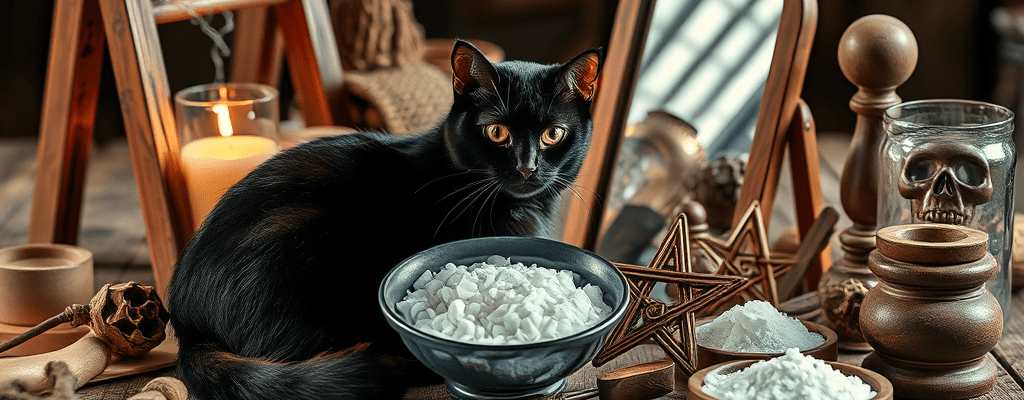
So, are you superstitious? Maybe you don’t truly believe that black cats bring bad luck, but you still hesitate before walking under a ladder. Or perhaps you embrace superstitions wholeheartedly, following every lucky charm and avoiding every unlucky omen. Either way, superstitions remain a fascinating part of human nature, reminding us of our deep-rooted need for meaning and control.
Whether you follow them for fun or firmly believe in their power, superstitions are an interesting reflection of culture, tradition, and psychology. So the next time you find yourself tossing a pinch of salt over your shoulder, take a moment to consider—are you superstitious, or just playing along?
 Small Town Girl