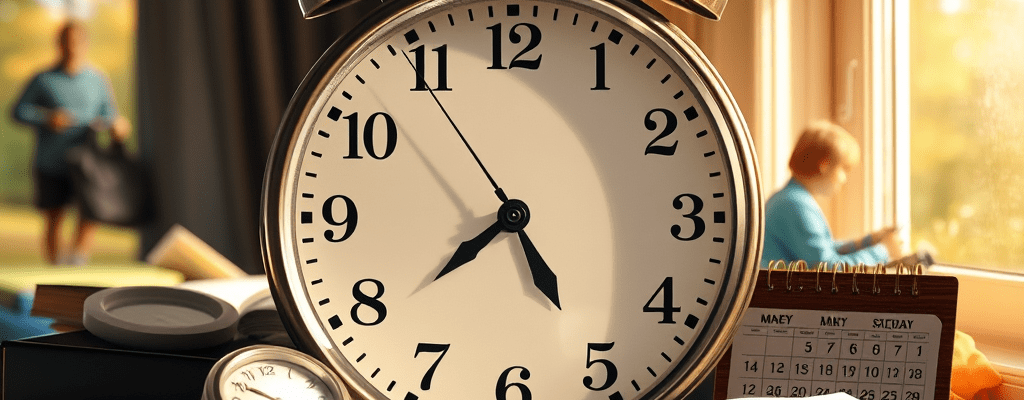

Twice a year, millions of people adjust their clocks for Daylight Savings Time (DST). But have you ever wondered why we do it? Some look forward to the extra evening daylight, while others dread the disruption to their routine. Whether you love it or hate it, DST has been a hot topic for decades.
The History of Daylight Savings Time
Daylight Savings Time was first introduced to make better use of daylight and conserve energy. The idea dates back to Benjamin Franklin, who humorously suggested that adjusting clocks could help people save candles. However, it wasn’t until World War I that DST was officially adopted in several countries to reduce the need for artificial lighting and save fuel. The practice was later discontinued and reinstated multiple times before becoming more standardized in the 20th century. Today, its effectiveness remains debated.
How Daylight Savings Time Works
In most regions that observe DST, clocks are set forward one hour in the spring and turned back one hour in the fall. The phrase “spring forward, fall back” helps people remember the change. The main goal is to extend daylight hours in the evening, which can lead to energy savings and increased outdoor activity.
Pros and Cons of Daylight Savings Time
There are both benefits and drawbacks to DST. Some of the advantages include:
- More daylight in the evening, allowing for more outdoor activities
- Potential energy savings due to reduced need for artificial lighting
- Possible reductions in traffic accidents due to better visibility during evening commutes
However, many people argue that the time change has negative effects, such as:
- Disruptions to sleep schedules, leading to fatigue and health issues
- Increased risk of heart attacks and strokes in the days following the time change (according to studies from the American Heart Association)
- Confusion in scheduling, especially for businesses and travelers
The Future of Daylight Savings Time
In recent years, there has been growing debate about whether DST should be abolished or kept year-round. Some U.S. states and countries have considered ending the practice, citing its negative effects on health and productivity. According to Dr. Matthew Walker, a neuroscientist specializing in sleep research, “The sudden shift in time disrupts our circadian rhythms, which can have serious consequences for heart health and cognitive function.”
Lawmakers have proposed legislation, such as the Sunshine Protection Act, which aims to make DST permanent. However, the discussion continues, and there is no universal consensus.
Tips for Adjusting to Daylight Savings Time
Whether DST remains or eventually fades away, preparing for the time change can make the transition smoother. Here are some tips to help:
- Gradually adjust your sleep schedule a few days before the time change
- Get plenty of sunlight in the morning to help regulate your internal clock
- Avoid caffeine and screens before bedtime to improve sleep quality
- Keep a consistent sleep schedule to minimize fatigue
Final Thoughts
Daylight Savings Time has been around for over a century, with both supporters and critics voicing their opinions. Whether you love it or hate it, being prepared for the time changes each year can help ease the transition. What are your thoughts on DST?
 Small Town Girl